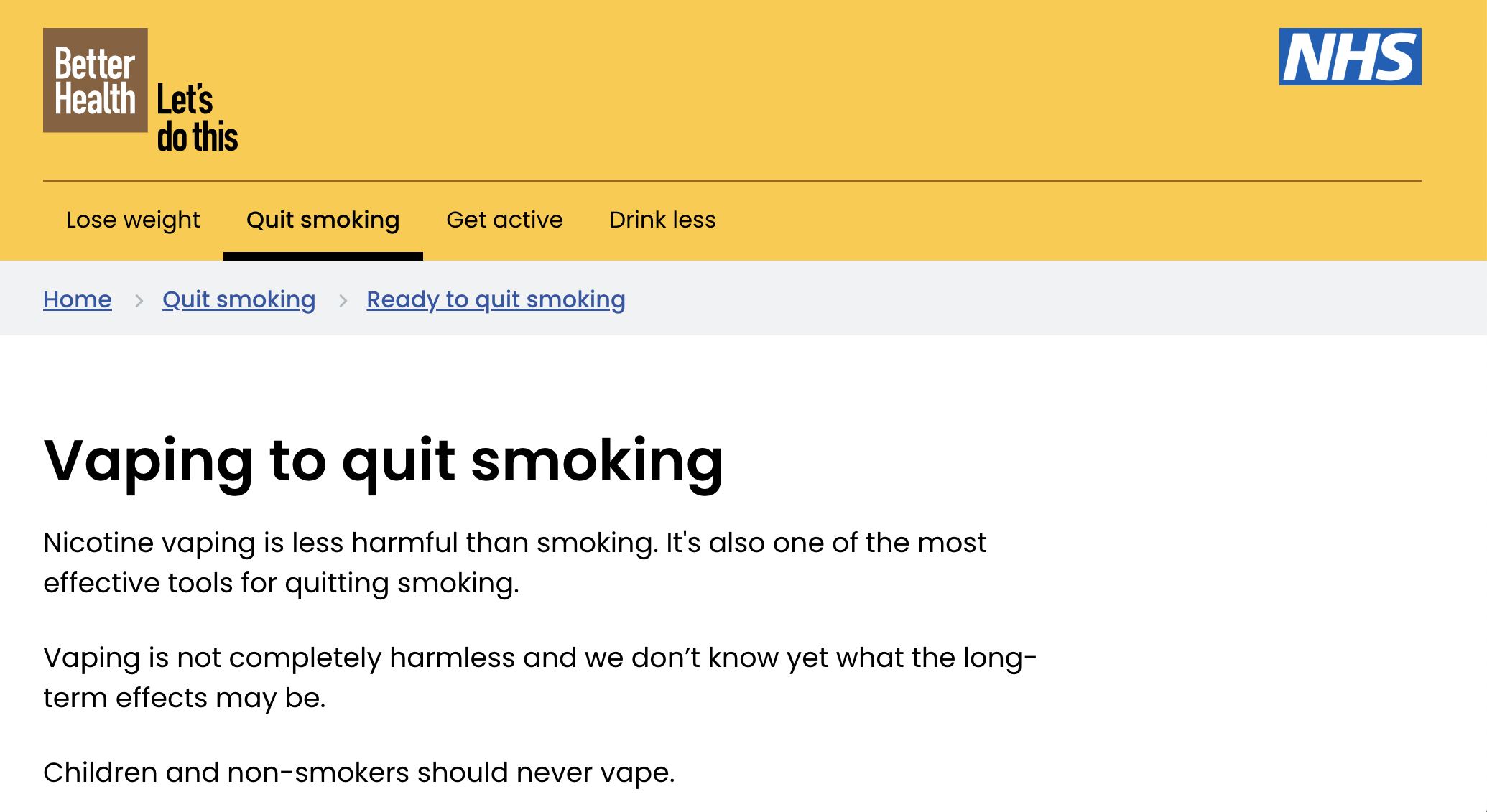
While the British National Health Service (NHS) reiterates that “nicotine vaping is less harmful than smoking and is also one of the most effective tools for quitting smoking”, the preparatory document for the WHO COP11 instead proposes a restrictive approach, even including the possibility of bans on the distribution and sale of electronic nicotine delivery systems (ENDS).
These divergent positions raise crucial questions about tobacco control and the protection of public health.

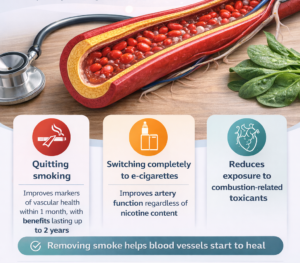
Prof. Riccardo Polosa, CoEHAR Founder: “We welcome the pragmatic and evidence-based approach of the NHS, which recognizes vaping as an effective tool to reduce the harms of smoking and support cessation. Scientific evidence clearly shows that smokers who switch to vaping significantly reduce their exposure to toxic and carcinogenic substances and are twice as likely to quit compared to those using other tools. By contrast, the position emerging at the WHO for COP11, which even considers banning ENDS, risks denying millions of adult smokers a concrete and less harmful alternative. This ideological approach not only disregards the data but also hinders harm reduction strategies that could save lives. Global policies must be guided by evidence, not prejudice.”
The opposition between the NHS and the WHO highlights the profound divide that exists today in the scientific and political debate on tobacco harm reduction. On one hand, one of the most authoritative national health systems in the world acknowledges and integrates vaping into cessation programs; on the other, an international organization is pushing for bans that risk penalizing the most vulnerable smokers.

Prof. Giovanni Li Volti, Director of CoEHAR, added:
“CoEHAR strongly reaffirms the need for evidence-based policies, because banning vaping will not stop tobacco use; on the contrary, it will deprive smokers of a valuable tool to quit. We urge policymakers to reflect on the position taken by the NHS and to consider balanced solutions that protect young people from initiation, while at the same time offering adult smokers a real opportunity to escape nicotine dependence.”
CoEHAR emphasizes three key points:
- Banning vaping will not stop tobacco use; it will deprive smokers of a less harmful option.
- Regulatory decisions cannot ignore scientific evidence.
- Policies must distinguish between different populations: protecting young people from initiation does not mean denying adult smokers an opportunity to quit.